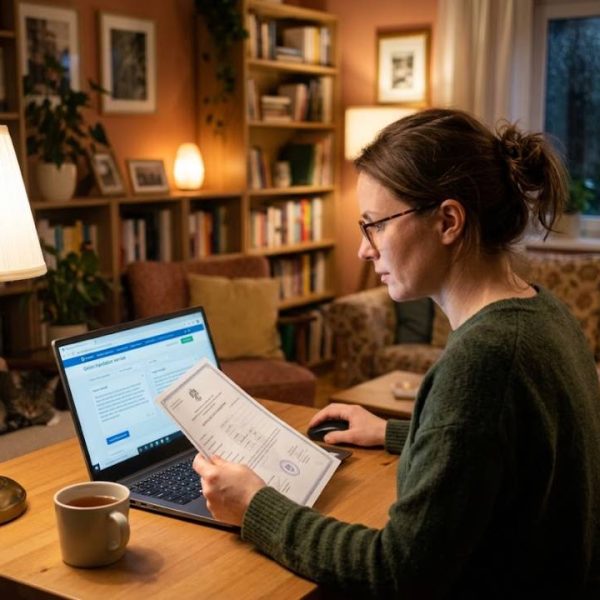
Not long ago, getting a document translated meant finding a local translator, visiting an office and waiting days for a paper copy. Today, most people order translations online in a few minutes. They upload a scan, receive a quote, pay and get the finished translation by email or post. It is convenient, fast and usually affordable.
But not every online provider is equal, and first-time customers often have questions. Here is what individuals should know before placing an order.
Why people need translations
For anyone ordering for the first time, choosing an established provider takes most of the guesswork out of the process. Reputable translation services publish clear pricing, explain their quality steps, and make it easy to contact a real person before you pay. Reading reviews and checking how the provider handles revisions tells you a lot about what to expect. A little homework upfront usually leads to a translation you can use with confidence.
Private customers order translations for many reasons. The most common include immigration and visa applications, marriage abroad, university admissions, recognition of professional qualifications, pension claims, court cases, medical treatment abroad and family research. Some simply want to understand a letter from a relative or an official notice from a foreign authority.
Each purpose has different requirements. A family letter needs an accurate, readable translation. A visa application may need a certified translation with a signed statement. A court may require a sworn translator.
How the online process works
Most online services follow the same steps. You upload your document, choose the language pair and indicate the purpose. The provider analyses the file, counts the words or pages and sends a quote with a delivery date. After payment, a professional translator works on the text, a second linguist reviews it where appropriate, and the finished translation is delivered in the format you need.
Good providers ask clarifying questions, for example about the spelling of names or the country where the translation will be used.
Popular language pairs
Demand varies with migration and travel patterns. Many customers in the UK and across Europe need russian translation services for documents from Russia, Kazakhstan, Belarus or older Soviet-era records from other countries. Others come with documents from Ukraine, where a professional ukrainian translation of birth certificates, diplomas and employment records has become essential for families rebuilding their lives abroad.
German is another frequent request, both for people moving to Germany, Austria or Switzerland and for those dealing with German pensions, inheritances or university applications. Reliable german translation services help customers meet the precise standards German authorities expect.
What affects the price
Prices depend on the language pair, the length and complexity of the text, the level of certification and the deadline. Standard certificates are often offered at a fixed price per document. Longer texts are usually priced per word. Rare languages, handwritten documents and urgent delivery cost more.
Be cautious with prices that seem far too low. They may indicate machine translation with little or no human review, which is unlikely to be accepted by authorities.
How to spot a trustworthy provider
- Clear information about translators' qualifications and native languages.
- A transparent quote with no hidden fees.
- Secure upload and a clear privacy policy.
- Real contact details and responsive customer service.
- Experience with certified and official translations.
- Honest delivery times rather than unrealistic promises.
Membership of a professional body, such as the Institute of Translation and Interpreting in the UK, can be another sign of professionalism.
Privacy and data protection
Personal documents contain sensitive information: names, dates of birth, addresses, identity numbers and sometimes health data. A reputable provider protects this information with secure systems, limits access to the translators working on your file and deletes documents after a reasonable period. Always check the privacy policy before uploading.
Checking the result
When you receive your translation, check names, dates and numbers carefully. You know your personal details better than anyone. If something looks wrong, contact the provider immediately. Good companies correct genuine errors quickly and at no extra cost.
Digital or paper delivery
Many authorities now accept digital translations with an electronic signature, which can be delivered within hours. Others still insist on paper with an original stamp or signature. Ask the receiving organisation which format it accepts and tell your provider before the work starts.
When free tools are enough
Free online translation tools have their place. They are useful for understanding the gist of an email, a menu or a social media post. They are not suitable for official documents, legal matters, medical information or anything you will sign. When the stakes are real, a professional human translator is the only safe option, and the cost is usually small compared with the consequences of a mistake.
Keep copies for later
Life events tend to require the same documents more than once. The birth certificate you translate for a visa may be needed again for a marriage, a citizenship application or a pension claim. Keep digital copies of all translations and store paper originals safely, so you do not have to pay twice.
Convenience with confidence
Ordering a translation online has never been easier. By choosing a qualified, transparent provider and preparing your documents carefully, you can get accurate translations quickly and use them with confidence, wherever life takes you next.